Can You Self-Drive the Ha Giang Loop? Laws, Licences & Safety Advice
For adventure travelers, riding the Ha Giang Loop by motorbike is a bucket-list experience. Stunning mountain views, winding roads, deep valleys, and local villages make it one of the most memorable trips in Vietnam.
If you’re thinking about doing the loop on your own, it’s important to understand the basics before you go.
Things like license rules, police checkpoints, road conditions, and weather can all affect your trip. This guide covers what you need to know to ride the Ha Giang Loop legally, safely, and with confidence.
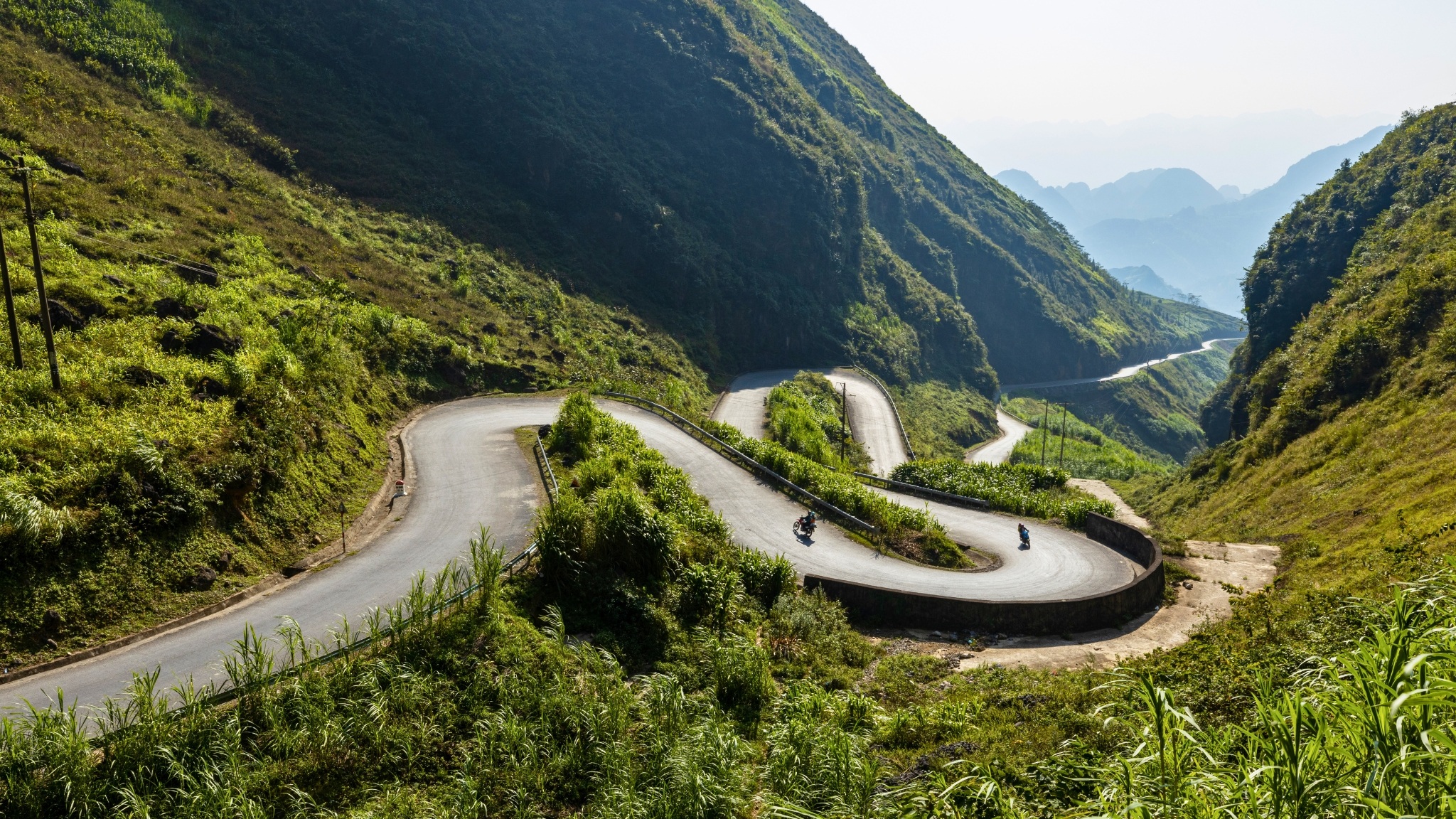
Quick Answer: Can You Self-Drive the Ha Giang Loop?
Yes, foreigners can self-drive in Vietnam if they meet the legal requirements and have the right licence for the vehicle they are driving. If you are not fully prepared, self-driving may become stressful or unsafe.
Why This Matters
Ha Giang has become one of Southeast Asia’s most popular adventure destinations. As tourism grows, local authorities continue to monitor traffic safety more closely than before. Travellers now report more frequent document checks, greater attention to helmet rules, and stricter enforcement around unlicensed riding.
At the same time, the roads remain mountainous, remote, and challenging - especially for beginners. That means the decision to self-drive should be made carefully, not impulsively.
Legal Requirements to Self-Drive the Ha Giang Loop
A Valid Driving Licence Is Essential
To legally ride a motorbike in Vietnam, travellers typically need:
- A valid home-country driving licence
- Or a recognised International Driving Permit (IDP), if required
Not All International Driving Permits (IDPs) Are Accepted
This is one of the biggest misunderstandings among travellers. Some international permits are accepted in Vietnam, while others may not be recognised depending on the issuing country and treaty format.
Travellers often discover this only after being stopped or after an accident. Check your licence status carefully before arrival.
| License Rules for Riding in Vietnam | |
|---|---|
| ASEAN Countries | Travelers from countries such as Laos, Thailand, Malaysia, Singapore, Indonesia, Philippines, Cambodia, Myanmar, and Brunei may use their home-country driving license to ride in Vietnam. Your license should be valid and cover the type /engine size of the motorbike you plan to ride. |
| Non-ASEAN Countries | Most travelers need an International Driving Permit (IDP) to ride legally in Vietnam. The IDP must be issued under the 1968 Vienna Convention and include the correct motorcycle category. |
| 1968 Vienna Convention Requirement | Your IDP should follow the 1968 Vienna Convention format, which is the version generally recognized in Vietnam. |
| 1949 Geneva Convention Limitation | Some countries, including Australia, the USA, and the UK, often issue IDPs under the 1949 Geneva Convention. These are not accepted during police checks in Vietnam. |
| Motorcycle Category Requirement | Your permit must include Category A (motorcycles). If it only covers cars (Category B), it is generally not valid for riding a motorbike. |
| Expats Living in Vietnam | If you live in Vietnam, converting your home-country license to a Vietnamese PET license is usually the best and clearest legal option. |
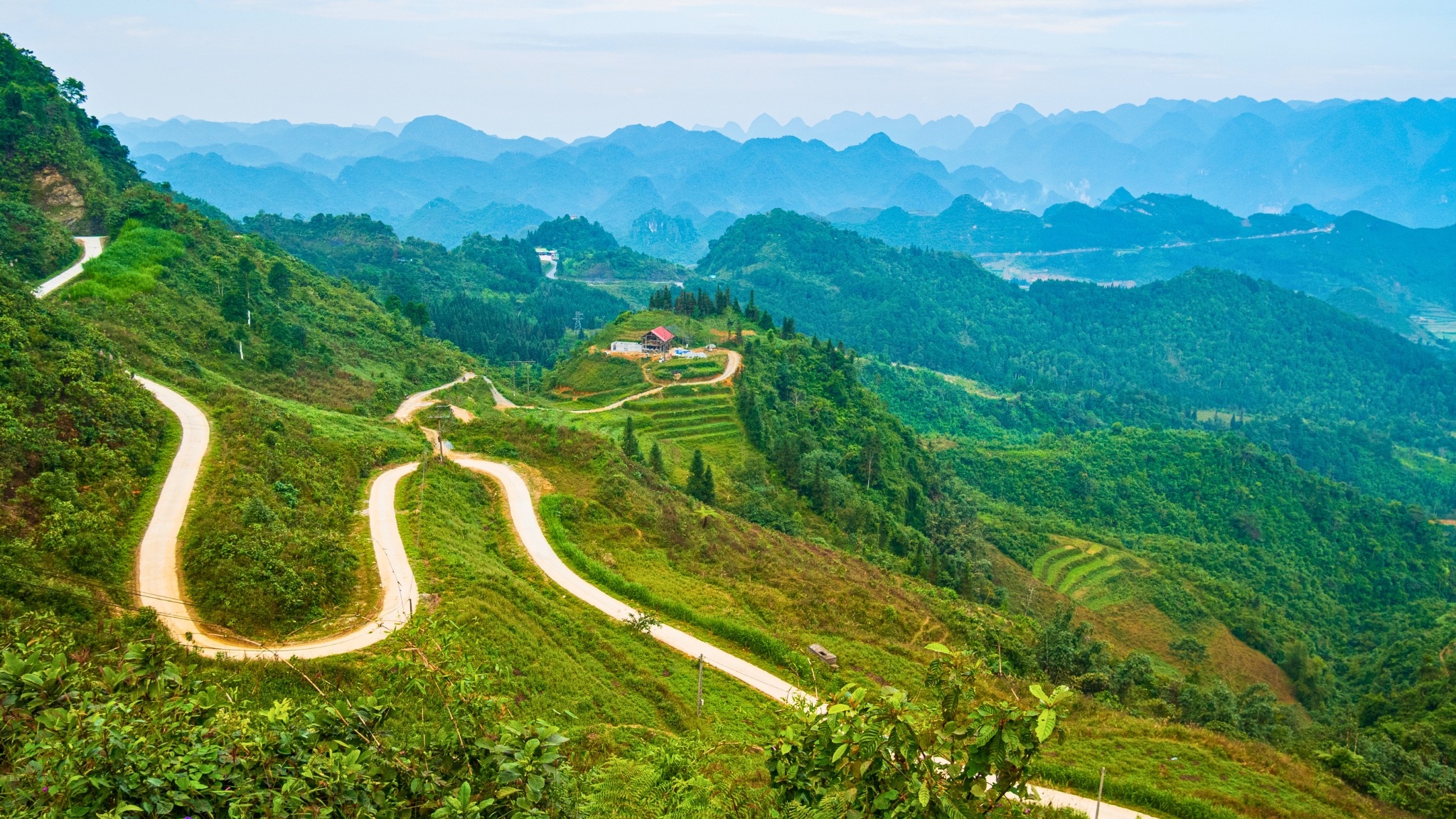
Police Checks in Ha Giang: Are They Common?
Police checkpoints are common on the Ha Giang Loop, and riding without valid documents is not permitted. Many routes include several checkpoints along the way.
If You Have All the Required Documents
If your paperwork is complete (license, IDP if required, and bike documents), the process is usually quick and straightforward. You may be checked and allowed to continue your journey without issues.
If You’re Missing Documents
If you’re stopped without the correct license or paperwork, a few things may happen:
| Situation | What It Means for You |
|---|---|
| Fines | You may be asked to pay a fine depending on the situation. |
| Delays | You could be stopped for a period of time while things are checked or resolved. |
| Not Allowed to Continue Riding | In some cases, you may need to arrange alternative transport. |
| Bike Impoundment (Strict Cases) | Authorities may temporarily hold the motorbike (up to 7 days), which can affect your travel plans. |
How to Avoid Issues
- Make sure your license is valid and recognized
- Carry all required documents with you
- Double-check your IDP (if needed) before your trip
Want a Stress-Free Option?
If you prefer not to deal with checkpoints, paperwork, or riding conditions, the Easy Rider option is a popular alternative.
- Licensed local drivers handle everything
- No license required for passengers
- No checkpoint concerns
- More time to enjoy the views
Is Self-Driving the Ha Giang Loop Safe? Honest Answer - It Depends on Your Experience
|
Ready to explore the Ha Giang Loop? Check out our best-selling tours and find the option that fits your travel style.

Not Sure About Self-Driving? Here Are Easier Options
If license requirements or mountain roads make you pause, there are still great ways to experience the Ha Giang Loop - without the stress.
Option 1: Easy Rider (Recommended)
What Is an Easy Rider?
An Easy Rider is a local, experienced driver who rides the motorbike while you sit as a passenger. You still complete the Ha Giang Loop and experience everything along the way - just without having to focus on driving.
This is the most popular choice for international travelers - and for good reason. You still experience the loop by motorbike, just without having to ride yourself.
Why Easy Rider Is So Popular
Easy Rider is a popular choice because it offers a simple, comfortable way to experience the Ha Giang Loop without the pressure of riding yourself.
- More relaxed experience - Enjoy the scenery without focusing on the road
- Local drivers handle everything - Routes, road conditions, and navigation
- Safer on mountain roads - Experienced riders know how to handle steep and winding terrain
- Better overall experience - More time for photos, stops, and enjoying each moment
- Easier cultural connection - Interact with locals through your driver
- Great for many travelers - Especially solo travelers, couples, and beginners
Overall, it’s a great option if you want to enjoy the journey comfortably while still getting the full Ha Giang Loop experience.
Option 2: 50cc Motorbike
If you still want to ride on your own but keep things simple, a 50cc bike is another option.
What to know:
- Based on current regulations, bikes under 50cc may not require a license.
- Easier to handle, especially for some beginners.
- Lower speed, lighter control, but limited power - not ideal for steep mountain roads, especially with two people or heavy luggage.
- Best for: Solo travelers, light packers, and those with some riding confidence with home country’s driving license.
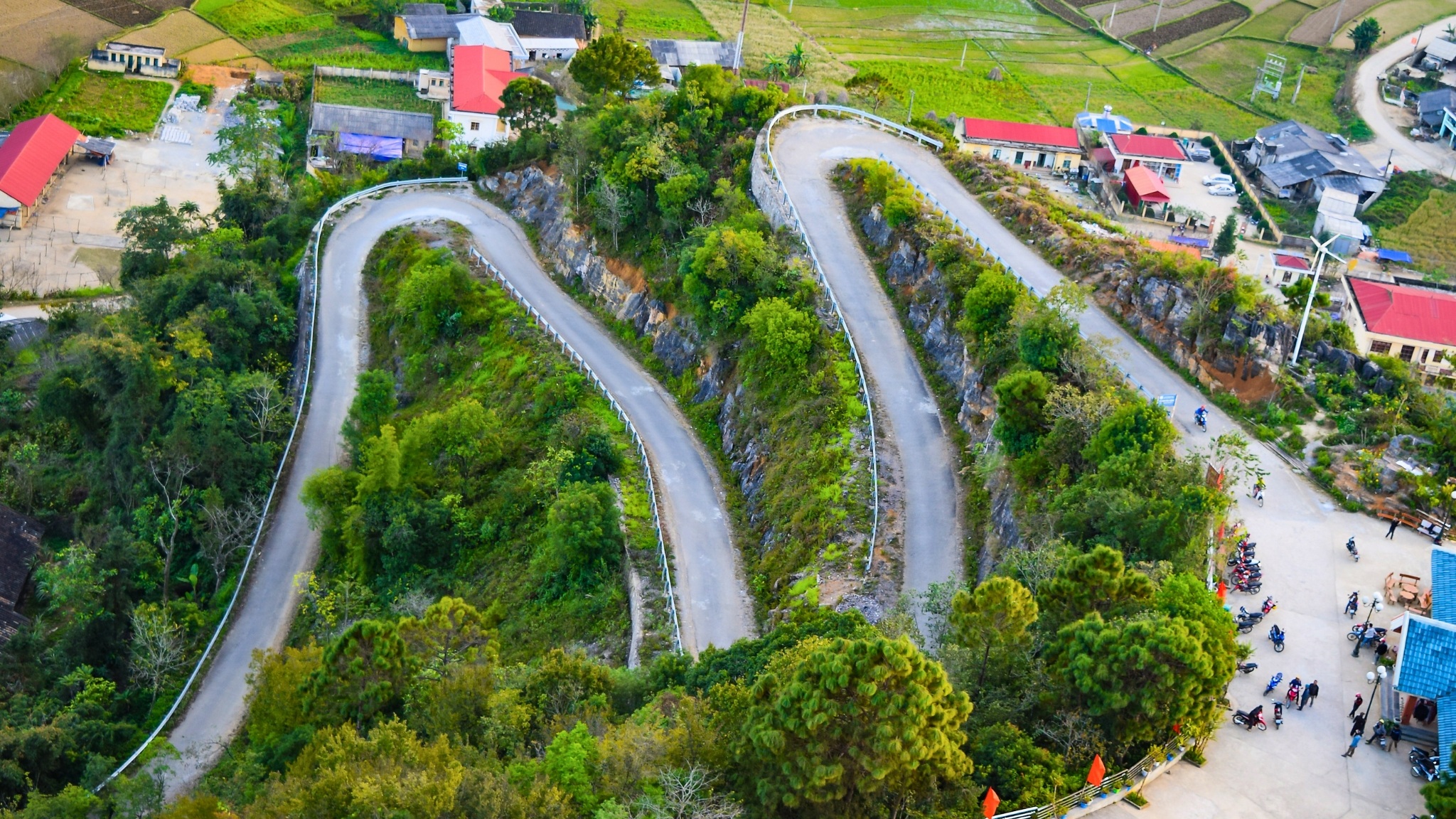
If You Still Want to Self-Drive: Safety Tips
A little preparation can make your Ha Giang Loop experience much smoother. Here are the key things to keep in mind on the road.
Key Traffic Rules to Know
- Zero Alcohol While Riding: Vietnam enforces strict no-alcohol rules for drivers. If you want to try local “happy water” (corn wine), save it for the evening after you’re done riding for the day.
- Honking is normal: The horn is commonly used to signal your presence, not to show frustration. Short, light honks are helpful on blind corners or narrow roads.
- Always stay on the right: Vietnam drives on the right-hand side. If you’re from countries like the UK or Australia, take a bit of time to adjust - especially at turns and intersections.
Fuel Tips for Riding in the Mountains
- Be mindful of closing times: Some stations in remote areas (like Du Gia or Mau Due) may close around late afternoon. Filling up earlier in the day is always a safe choice.
- Follow the half-tank rule: Once your fuel drops to around half, start looking for a gas station. In mountain areas, stations can be far apart - don’t wait until you’re low.
- Use emergency fuel only when needed: In small villages, local shops may sell petrol in bottles. This can help if you’re low on fuel, but it’s best to rely on proper stations whenever possible.
Best Time to Self-Drive the Ha Giang Loop
The best time to self-drive the Ha Giang Loop is from March to May and September to November, when the weather is dry, visibility is clear, and road conditions are more comfortable. Spring brings green landscapes, while autumn offers stunning golden rice terraces. Winter can be foggy and cold, and summer often has heavy rain, which can make riding more challenging.

Frequently Asked Questions
Can beginners self-drive the Ha Giang Loop?
Not recommended. The roads can be challenging if you don’t have prior riding experience.
Is an automatic scooter enough?
It can work for some riders, but semi-auto or manual bikes are generally better for mountain terrain.
Is 3 days enough?
Yes, but 4-5 days is a more relaxed and comfortable pace.
Are police checks frequent?
They are fairly common, especially during weekends and peak travel periods.
Is Easy Rider expensive?
Not really. It’s usually considered great value, especially for the added safety, local guidance, and overall experience.
If you’re an experienced rider with the right documents and confidence on mountain roads, self-driving the Ha Giang Loop can be an unforgettable adventure.
However, if you’d rather relax, enjoy the views, take photos, and avoid legal concerns, an Easy Rider tour is often the better choice - especially for first-time visitors. The key is to choose the option that fits your real experience level so you can enjoy the journey comfortably.