

Vietnam in Winter: What You Should Prepare to Travel?
Vietnam tourism in the winter is loved by many tourists since the people and landscapes are stunningly beautiful. However, before traveling to Vietnam in the winter, you need to know what to prepare for a winter trip. Let's follow our article carefully.
Overview of Vietnam’s Weather in Winter
Vietnam is such a beautiful country that there are many scenic spots tourists cannot ignore. If you are having a short vacation of about 5 - 7 days and want to relax in a beautiful and peaceful place, please book Vietnam Tour. Vietnam is amazing every time. However, according to the evaluation of many tourists, Vietnam is the most beautiful in the winter, which ranges from November to January next year. If you have many choices, let's visit Vietnam in the nearest winter. And you need to prepare some of the following if you travel to Vietnam in winter!
The territory of Vietnam is divided into three regions: North, Central, and South. The Winter weather in Vietnam is not the same in these 3 areas. Accordingly, winter in the North and Central is freezing. However, the climate of the South is very characteristic, hot and humid all year round. So there is almost no winter in the South of Vietnam. In wintertime, the temperature is only slightly lower than in the summer. So we need to pay attention to the winter in the north and the center of Vietnam only.
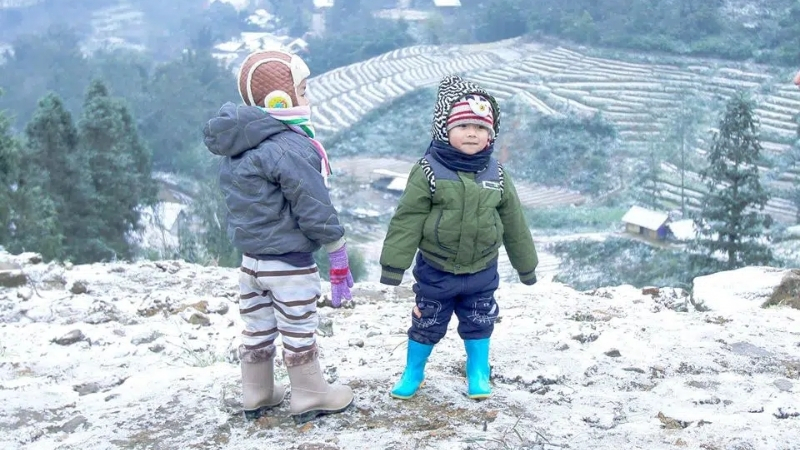
Winter in North Vietnam
Experience the charm of winter in Vietnam - explore our best tours and start planning today!

North
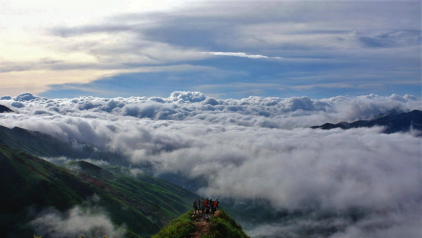
North Vietnam is complex and varied with plains, mountains, coasts, & continental shelves and includes many tourist attractions such as Hanoi, Halong Bay, Cuc Phuong, Mai Chau & Ninh Binh. The weather in the winter, which lasts from November to February, is cold and dry; the temperature fluctuates from 10°C to 22°C. The coldest months are December & January, when several areas experience heavy mists. However, the landscape during that time was picturesque and dreamlike.
| Month | Average temperature (Degrees Celsius) | Sunshine hours per day | Rainy day per month | Average water temperature (Degrees Celsius) |
| November | 26°C | 5 | 5 | 25°C |
| December | 20°C | 4 | 3 | 22°C |
| January | 18°C | 3 | 5 | 20°C |
| February | 21°C | 2 | 7 | 19°C |
Plenty of foreign tourists choose to travel in the north of Vietnam during winter to avoid peak season in the summertime, which is the travel season for domestic customers. Moreover, winter seems to be cold for local people; it is, in fact, not as cold as it is in other countries. Foreign tourists still enjoy this kind of weather.
Chase misty landscapes and cultural beauty - book your winter trip to Northern Vietnam today!

Central
Located in the heart of Vietnam, the center is packed with historic sights and cultural interests and blessed with ravishing beaches and outstanding national parks. Winter in the center is warmer than it is in the south. However, traveling in the winter, you may experience wet weather in some parts of the region. It is necessary to know about the characteristics of each region to better prepare for your holiday.
Central Vietnam is divided into 3 different regions: the North Central Coast, the South Central Coast, and the Central Highlands. Let's see what each region has to offer to tourists in the winter.
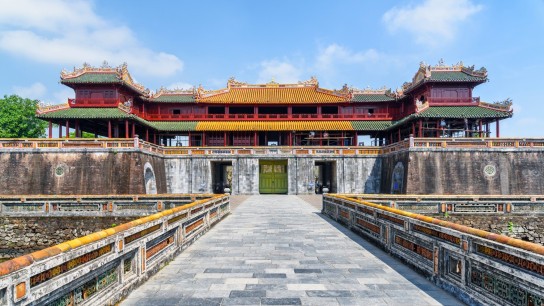
North Central Coast: This area consists of six provinces north of Hai Van Pass and is home to several UNESCO World Heritage sites, such as Phong Nha-Ke Bang Park and the Hue Monuments. Being located near Northern Vietnam, the weather in the North Central Coast is often affected by the weather in Northern Vietnam. It is cold, cloudy, with frequent drizzles. When compared to other regions in Northern Vietnam, winters on the north-central coast are warmer and wetter. Annual temperatures are around 24°C to 25°C, with the coldest month having a temperature of 17°C to 20°C.
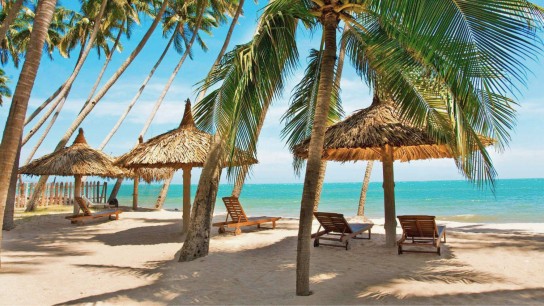
South Central Coast: has seven coastal provinces and houses two out of Vietnam’s six total UNESCO World Heritage sites: The My Son Sanctuary and the Hoian Ancient Town, and many tourist attractions such as Danang, Mui Ne, Nha Trang. The northeast monsoon has less impact on the region. The temperature ranges from 21°C to 32°C all year round. There is no winter in this region, as distinct seasons are the dry season and the rainy season. In general, the rainy season starts in September and ends in December or January. You may see a flood, and need to use a small boat to travel around Hoi An during the rainy season; some tourists find it interesting and fun to do that.
Central Highlands: It includes five inland provinces. Owing to the higher altitude, temperatures are lower than in other regions at comparable latitudes. Winters are dry with the lowest temperatures of 20°C. The coldest month is January, when minimum temperatures can occasionally fall below 0°C. Dalat, the most visited place by foreign tourists in the central highlands, is dry but cold in the winter, especially in December & January.
Discover heritage and coastal beauty - plan your trip to Central Vietnam now!

Things to Prepare for a Vietnam Trip in Winter
Traveling to Northern and Central Vietnam in winter offers a unique charm - misty landscapes, cool temperatures, and a peaceful atmosphere that feels completely different from the tropical south. Destinations like Hanoi, Sapa, or Hue become especially atmospheric during this season.
To stay comfortable and healthy throughout your trip, consider packing the following essentials:
- A scarf and a wool hat are must-haves, especially if you plan to visit mountainous areas. In places like Fansipan, temperatures can drop significantly, with cold winds and damp conditions.
- Bring a warm sweater, fleece jacket, or light down coat. Layering is key, as temperatures can vary between regions and even throughout the day.
- Pack basic medications such as headache relief and anti-flu medicine. The cold, especially in highland areas, can be quite intense if you’re not used to it.

In addition to appliances, do not forget to prepare the necessary medicines to protect your health
- A thick and waterproof jacket because winter in Vietnam often has drizzle and lasts all day
- Prepare a box to cover and carry them anywhere and anytime, because the weather will be very erratic and may rain suddenly when you are having fun
- Sports shoes for hiking or mountain climbing. Unsaved roads will make it more difficult to move. You should not use a pair of beautiful and new shoes; use some old and sturdy sports shoes to move on dirty and muddy roads
- If you come to Vietnam from October to January next year, please prepare some more thin and light clothes because the weather may be cool and less cold
- You can prepare lightweight sweaters, simple shoes, and a bikini to use if visiting luxury resorts in Vietnam
- Don't forget to bring a pair of slippers to relax your feet when staying at the hotel

Bring your favorite snacks when traveling in deserted places
- Dressing well not only keeps you comfortable but also helps you stand out at famous places in Vietnam, like Hoi An Ancient Town, perfect for memorable photos.
- Even in winter, sunlight can be strong, especially during clearer days. A good pair of sunglasses will protect your eyes from UV rays and dust.
- If you plan to explore mountainous or rural areas such as Ha Giang, insect repellent is highly recommended to avoid bites, particularly in more humid environments.
- Vietnam’s winter landscapes - misty mountains, tranquil lakes, and ancient towns - are incredibly photogenic, so bringing a quality camera (or ensuring your phone is ready) will help you capture unforgettable moments.
- Safety & practical prep: Research weather and terrain, follow local guidance, ask prices before buying, and consider travel insurance for a worry-free trip.
In addition, for peace of mind throughout your trip, consider purchasing travel insurance to protect yourself against unexpected situations such as health issues, delays, or lost belongings.
If you find yourself missing any essentials or need to buy more during your trip, don’t worry - Vietnam offers plenty of convenient options:
- Supermarkets: Large stores in cities like Hanoi or Da Nang are well-stocked with a wide range of products.
- Local markets: Found everywhere across the country, these are great for quick and affordable purchases.
- Hotel assistance: Your hotel staff can often help you find nearby shops or even arrange items for you.
- Online shopping apps: Platforms like Shopee or Lazada make it easy to order what you need and have it delivered right to your accommodation.
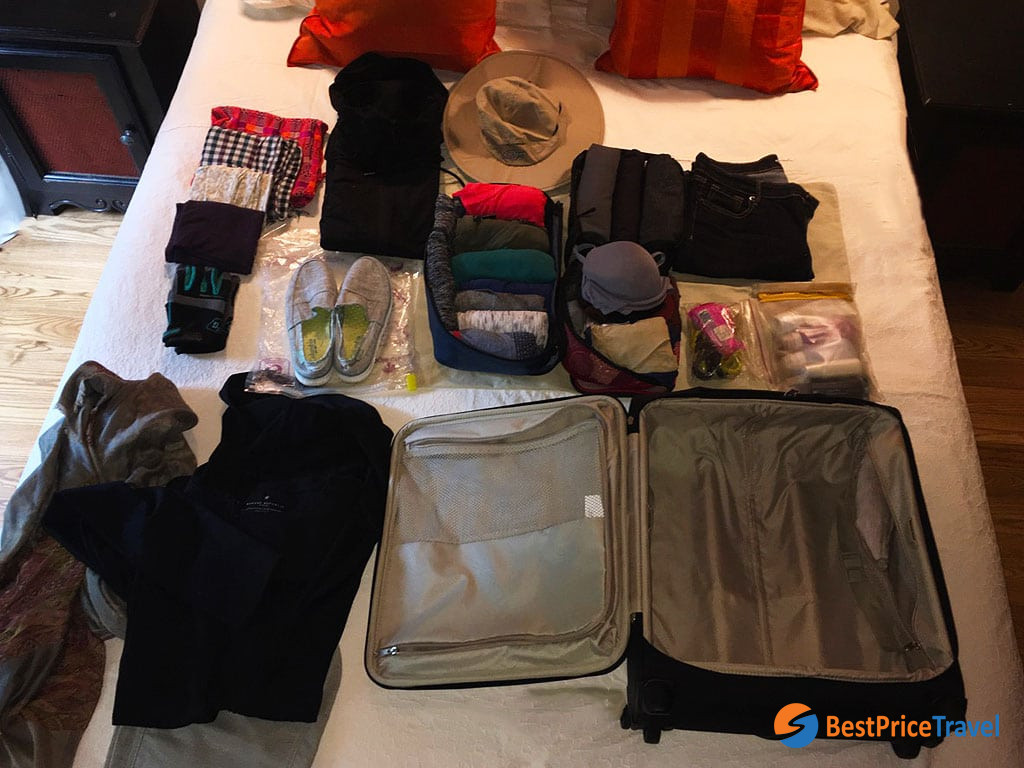
If you plan to travel to Vietnam in the winter, take note and be prepared! Let's go exploring in winter in Vietnam with BestPrice Travel!

Jenny Tran
(Image source: Internet)

Questions & Answers
 What Should You Prepare To Travel Sapa In Winter?April 07, 2021 - 7606 Views
 Things to Pack to Visit Halong Bay in WinterOctober 31, 2024 - 2757 Views
 November – Time for Cloud Hunting in VietnamJuly 12, 2023 - 1329 Views
