Bai Tu Long National Park
Bai Tu Long National Park is a protected area in Van Don District, Quang Ninh Province, nearly 200 km east of Hanoi. Established in 2001 on the former Ba Mun National Conservation Zone, the park covers 15,783 hectares, including 6,125 hectares of land and more than 9,600 hectares of sea. Located within the Bai Tu Long Bay complex, it is known for hundreds of islands and islets, limestone karsts, and emerald waters.
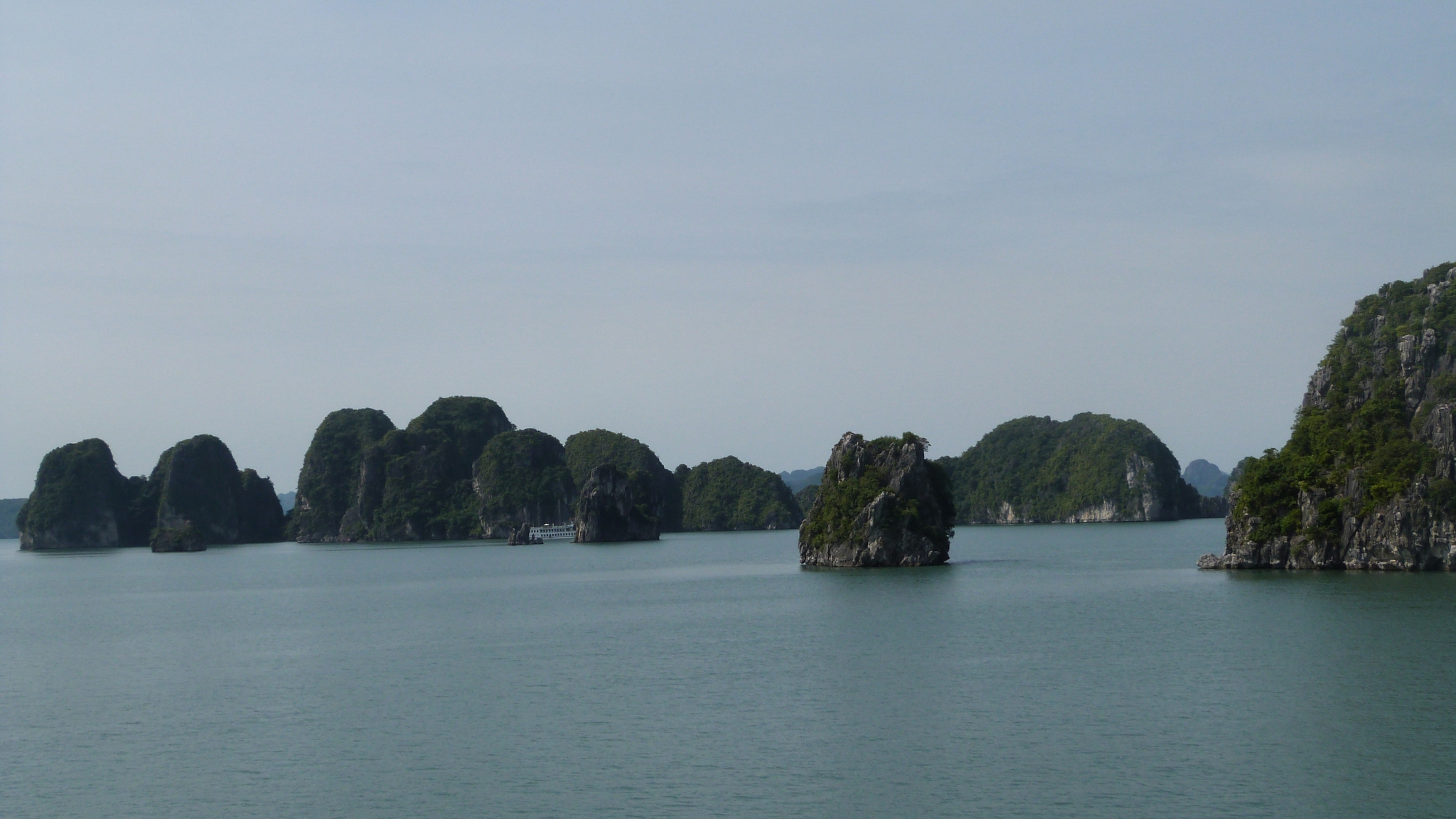
Apart from impressive scenery, it is home to diverse terrestrial and marine ecosystems, including island forests, mangroves, seagrass beds, coral reefs, tidal flats, and rocky landscapes. If your idea of happiness involves wild landscapes, dramatic views, and outdoor activities, you’re in the right place.
- Reasons to visit: Admire exceptional scenery, uncover strong biodiversity, experience memorable adventures, and appreciate important conservation value.
- Best time to go: October to December and March to May, when the weather is ideal for immersing yourself in the green space.
- How to get there: Travel from Hanoi to Ao Tien International Port in Van Don, then take a speedboat or charter boat to the park area.
- Top things to do: Trek the primeval rainforests of Ba Mun Island, kayak into mangrove forests and hidden lagoons, reach Bat Cave (Hang Doi), and visit Vung Vieng fishing village and local pearl farms.
Is Bai Tu Long National Park Worth Visiting?
Yes, especially if you love the raw beauty of untouched nature, diverse wildlife, and a sense of tranquility.
Bai Tu Long National Park is a quieter alternative to the busier tourist hubs of northern Vietnam, with a combination of limestone islands, forests, wetlands, beaches, and rich marine ecosystems. The attraction contains 102 rare and valuable species, including 72 animals and 30 plants listed in Vietnam's Red Data Book. Around 1,000 hectares of wetlands are also found here, featuring mangrove forests, sandy and rocky tidal flats, and seaweed beds that provide food and shelter for marine and coastal wildlife.
However, it is not the best choice if you wish to enjoy bustling nightlife, stay on big yacht cruises, or take quick 6-hour day trips. Travelers seeking these experiences may prefer Ha Long Bay or Cat Ba, which offer more developed tourism services and a wider selection of activities.
As Cat Ba National Park is another popular nature destination in northern Vietnam, some might wonder how one differs from the other. Here is a quick comparison of the two to help you see the differences and make the right decision.
| Bai Tu Long National Park | Cat Ba National Park | |
|---|---|---|
| Vibe | Calmer, more secluded, and less commercialized | Lively but still close to nature |
| Crowds | Generally quieter with fewer tourists | More visitors, especially around Cat Ba Town and on weekends |
| Activities | Eco-tourism, camping, forest and cave exploration, wildlife watching | Trekking, kayaking, swimming, cycling, rock climbing, and island-hopping |
| Best for | Wildlife, biodiversity, tranquility, and off-the-beaten-path experiences | Active travelers, outdoor adventures, and combining nature with beach activities |
| Travel style | Slow-paced and nature-focused | More active and varied |
Where Is Bai Tu Long National Park?
Bai Tu Long National Park is situated in Van Don District, Quang Ninh Province. It runs along the northeastern edge of the Ha Long-Bai Tu Long seascape, adjacent to the world-famous Ha Long Bay.
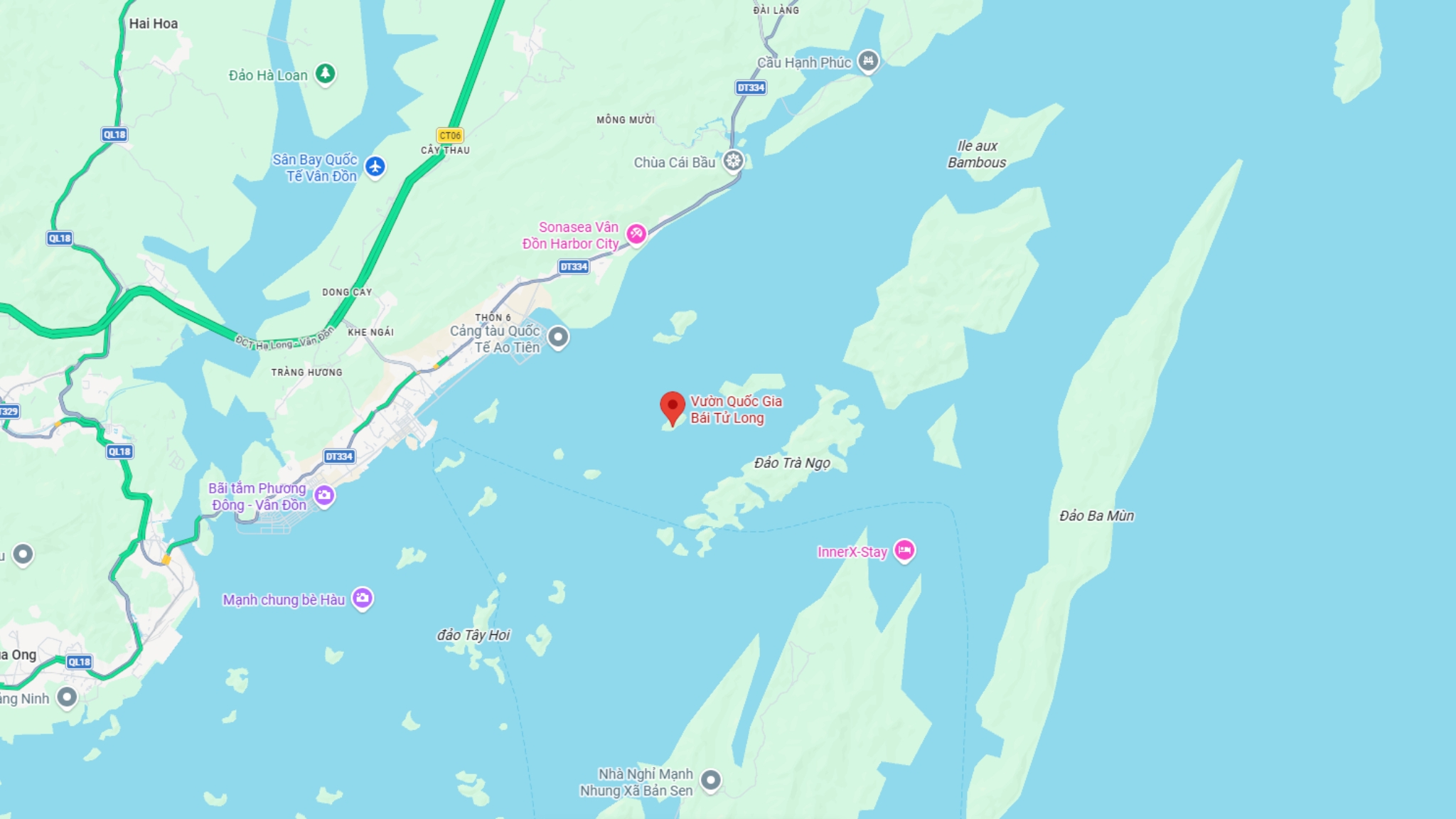
What the Map Doesn’t Tell You
On Google Maps, Bai Tu Long National Park looks like an easy side trip from Ha Long Bay. In reality, visiting the place is not as simple as renting a motorbike and driving there. Access to the park involves entering designated harbor gates, such as Ao Tien Port, coordinating the right boat timetables, and, for certain protected areas, obtaining permission from the park authorities.
This is very important if you want to drop by Ba Mun Island, which lies within the core zone of Bai Tu Long National Park. Ba Mun has no permanent residents or independent tourist services, so visitors cannot arrive on their own. Advance registration and permission from the park management board are required.
To have a smooth and hassle-free trip, we recommends booking a tour or traveling with a local guide. A guide can help arrange the boat, handle the necessary registration and permits, and make sure you access the areas that are open to tourists.
Best Time to Visit
The most ideal time to see Bai Tu Long National Park is from October to December and from March to May. That said, each season has its own unique characteristics. Take a look at the guide below to get your bearings.
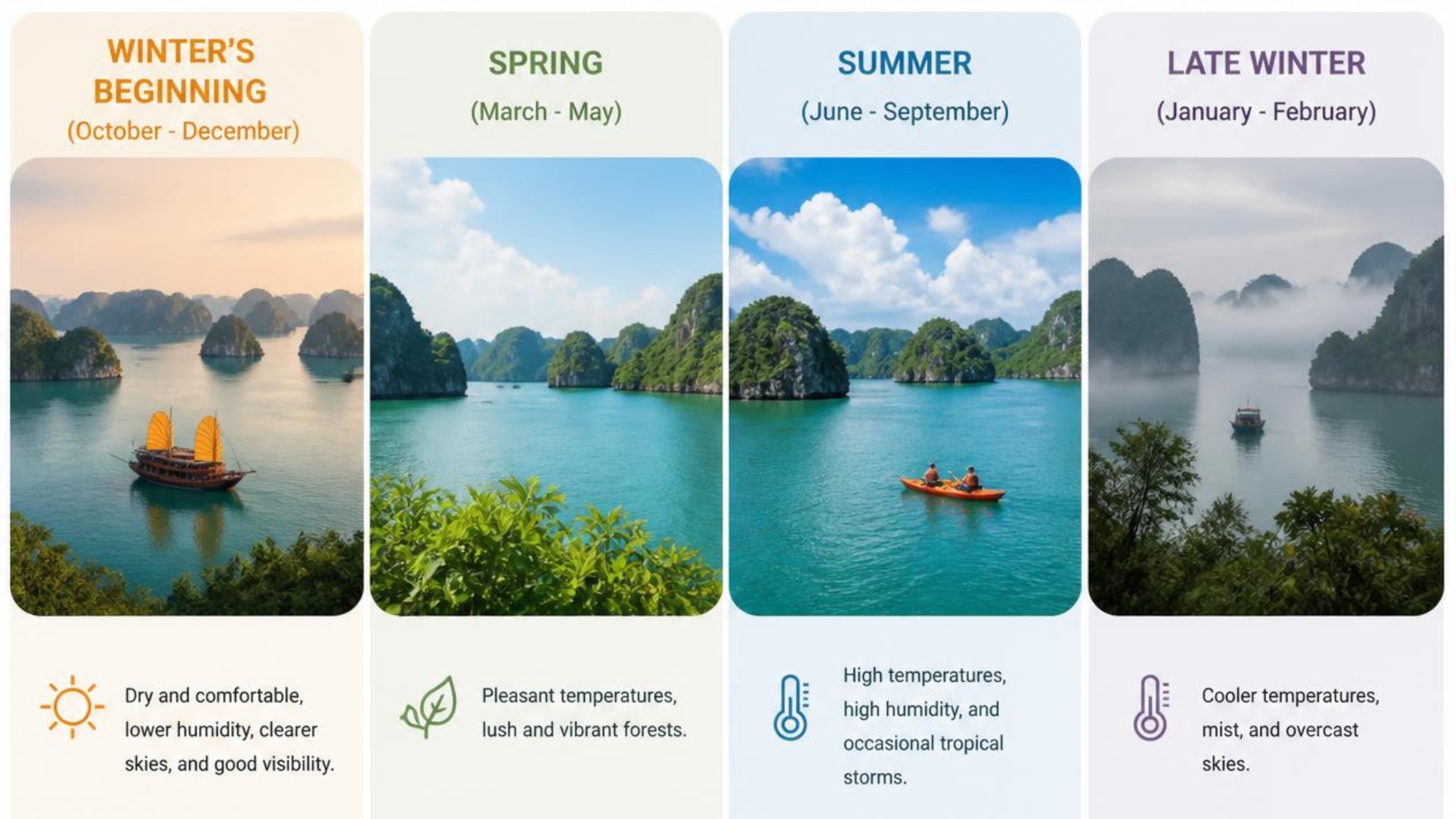
- Winter’s Beginning (October - December): The weather is dry and comfortable, with lower humidity, clearer skies, and good visibility. These conditions are well suited to photography, sightseeing, kayaking, and other sea activities.
- Spring (March - May): Temperatures are pleasant, while the forests become lush and vibrant. Wildlife activity can also be rewarding during this time, making it a good choice for travelers keen on nature and outdoor exploration.
- Summer (June - September): Summer brings high temperatures, high humidity, and occasional tropical storms. Although mornings can be sunny and perfect for traversing, weather conditions can change quickly.
One thing many online guides do not mention: a sunny morning can turn into a port closure by the afternoon if a sudden storm develops. If you are visiting during these months, keep your itinerary flexible and have a backup plan in case boat services or sea activities are suspended.
- Late winter (January - February): January and February bring cooler temperatures, mist, and overcast skies, creating an atmospheric and peaceful setting for photography and sightseeing. Temperatures fall to around 15°C-18°C, so the weather feels chilly, not suitable for taking a swim.
What to Pack
Regardless of when you start, a few practical items help make your trip less stressful:
- Sturdy, non-slip trainers: useful for walking on uneven or rocky terrain.
- Dry bag: essential for protecting phones, cameras, and other valuables during boat trips and water activities.
- Bug spray: needed when diving deep into forested or less-developed areas.
- Light layers: when going in the cooler months.
- Sun protection: sunscreen, sunglasses, and a hat are workable even on cloudy days.

How to Get There
The most straightforward way to reach Bai Tu Long National Park is to travel from Hanoi to Ao Tien International Port in Van Don, then continue by speedboat or charter boat into the park area. Ao Tien is a key departure point for boat trips around Bai Tu Long Bay, with the final journey depending on your chosen tour or private charter itinerary.
From Hanoi, the drive to Ao Tien takes approximately 3-4 hours, depending on traffic and your choice of transportation.
| Transport Option | Travel Time | Price | Best for |
|---|---|---|---|
| Limousine Bus | ~3-3.5 hours | ~US $9.58-US $13.42/person | Most travelers; convenient and affordable |
| Private Car | ~3 hours | From ~US$105/car | Families, couples, and groups wanting door-to-door convenience |
| Public Shuttle / Bus | ~3.5–4.5 hours | ~US $5.75-US $9.58/person | Budget travelers; not every service goes directly to Ao Tien |
Top Things to Do in Bai Tu Long National Park
There are plenty of ways to slow down and reconnect with nature in the park. Find suggestions below.
Trekking Primeval Rainforests on Ba Mun Island
- Best for: Nature lovers and eco-tourism enthusiasts
Located in the Bai Tu Long archipelago, Ba Mun Island is described as a national park in the middle of the sea. Covering around 1,800 hectares, the island is where a remarkably diverse ecosystem is found. Trekking through the forest offers a chance to admire one of the region’s untouched natural environments.
If you value wild nature and immersive outdoor experiences over conventional sightseeing, do not pass by. Ba Mun is a good choice for those who want to venture beyond the familiar attractions of Ha Long Bay and Bai Tu Long Bay. The experience is less about spectacular viewpoints or developed tourist facilities and more about walking across a pristine forest ecosystem and appreciating biodiversity.
Kayaking Through Mangrove Forests & Hidden Lagoons
- Best for: Travelers curious about coastal ecosystems, those looking to pay a visit to little-known corners of the park
Glide a kayak into the waterways of Bai Tu Long Bay, weaving between tangled mangrove roots and secluded lagoons tucked away from the open sea. The slow pace gives you time to take in the surrounding greenery, listen to the sounds of nature, and observe aquatic life and birds along the shoreline. With no engine noise and little disturbance, these sheltered waterways highlight a refreshing perspective on the bay.
By choosing to kayak here, you can also discover small, secluded corners that are easy to miss from a larger boat. The calm waters also make this an accessible activity for beginners, while the changing scenery keeps the journey engaging.
Discovering Bat Cave (Hang Doi)
- Best for: Wildlife enthusiasts and curious explorers, photographers looking for atmospheric, lesser-seen landscapes
Hidden deep in the mangrove landscape, Hang Doi (Bat Cave) gives a rare glimpse into a secluded habitat where wildlife and geology come together. The cave is home to a large bat population, and the neighboring forest provides shelter for species such as golden-haired white monkeys and long-tailed macaques. Nearby, the waters support marine life including shrimp, crabs, and horseshoe crabs, making an unusual meeting point between terrestrial and aquatic ecosystems.
Travelers drawn to wildlife encounters and weird formations would find this place amazing. The cave itself is the main attraction, with ancient stalactites shaped by geological processes over millions of years. Their distinctive forms add a dramatic, almost otherworldly atmosphere to the interior. Combined with the possibility of spotting wildlife in an undisturbed setting, a visit to Hang Doi is an adventurous and distinctive way to see the hidden side of the bay.
Visiting Vung Vieng Floating Village & Local Pearl Farms
- Best for: Travelers hoping to explore traditional life on the water, those intrigued by pearl cultivation and local craftsmanship
Vung Vieng Village was home to generations of fishermen who relied on the waters for their livelihood. Although the community no longer has permanent residents, local fishermen still return during the day for fishing and small-scale aquaculture. Visitors can step onto floating farms to see how fish and shellfish are raised, try traditional fishing activities, and sample freshly caught seafood.
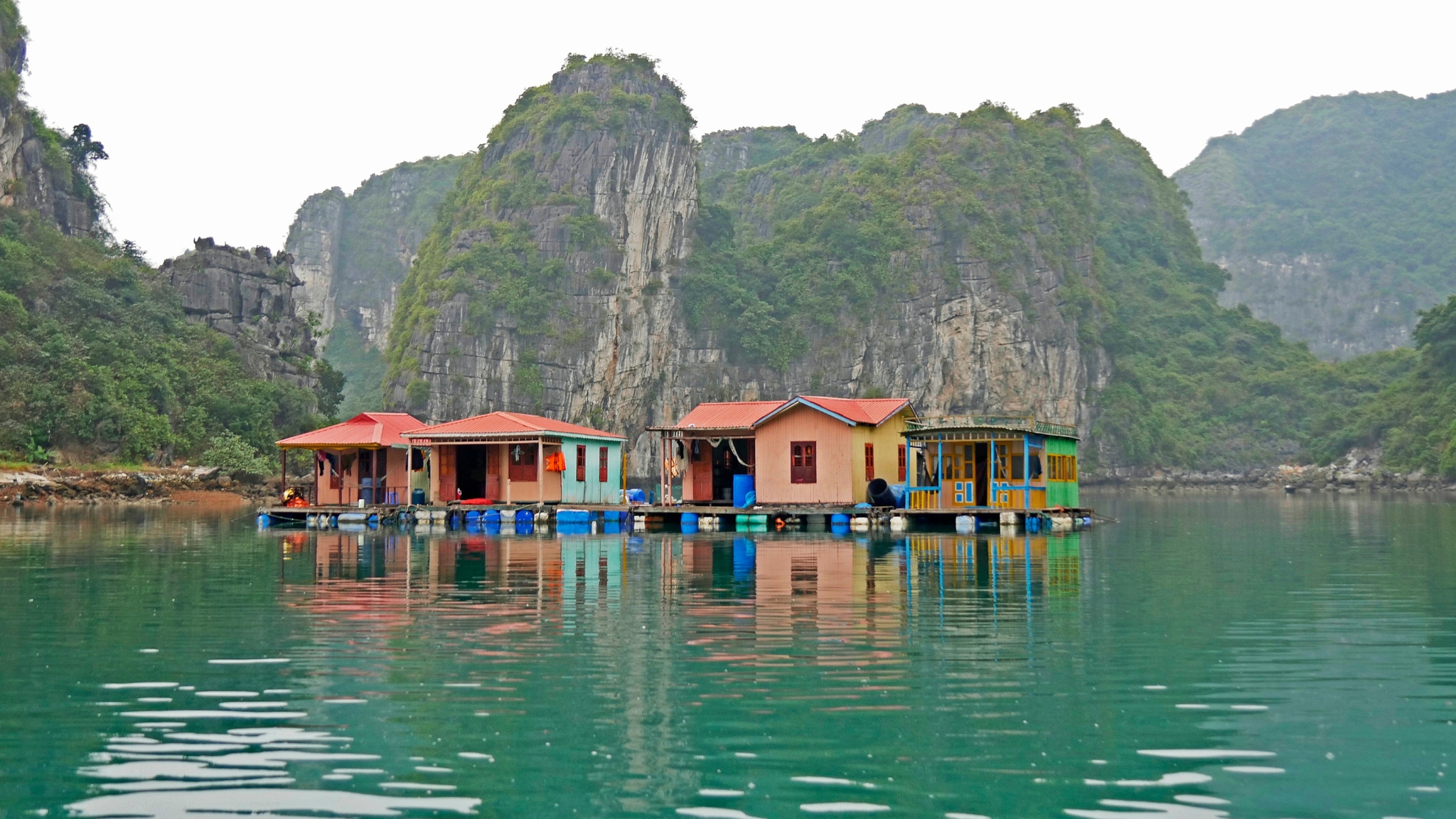
Enjoy Serene View Of Vung Vieng Floating Village
A visit to the village can be paired with a stop at a pearl farm, bringing a closer look at one of the bay's distinctive marine industries. Guests can follow the journey of a pearl from cultivation and care to harvesting and processing, gaining an appreciation for the time and skill involved in producing each finished piece. The opportunity to see the process firsthand makes the experience meaningful, and visitors can also purchase pearl products as souvenirs.
Frequently Asked Questions
What is the difference between Bai Tu Long Bay and Bai Tu Long National Park?
Bai Tu Long Bay is the broader bay and seascape, known for limestone islands and coastal scenery. Bai Tu Long National Park is a protected area within the region, established to conserve forests, islands, and rich biodiversity.
Is Bai Tu Long National Park safe for swimming and kayaking?
Yes, swimming and kayaking can be safe in designated areas, but activities are regulated and should follow the guidance of the park management. Certain marine zones allow swimming and other water activities under specific conditions, so visitors should use authorized routes, wear appropriate safety equipment, and comply with local instructions.
Can I visit Bai Tu Long National Park as a day trip from Hanoi?
Yes, it is possible but quite demanding. The journey from Hanoi to the Van Don area takes around 2.5-3 hours by road, followed by a boat trip into the park. For a more relaxed experience, an overnight stay in Van Don or a multi-day cruise is recommended if you want to discover the park’s islands and natural attractions without rushing.
Can you visit Bai Tu Long National Park independently?
Yes, but not in the same way you visit a normal park. Bai Tu Long National Park is remote, protected, and spread across islands and marine areas, so access is more complicated. For a first-time visit, it is best to book your boat, access, and any guided activities from a travel company.
We hope the helpful information above will assist you in preparing for your vacation to Bai Tu Long National Park. If you need any help with planning your trip, BestPrice Travel is ready to support you with the arrangements.